


The Role of Business Valuation in Mergers & Acquisitions
Key Factors to Consider | Understanding how accurate valuation drives strategic M&A decisions | business valuation services Financial advisor Kuwait - Alkhuzam
9/4/20253 min read
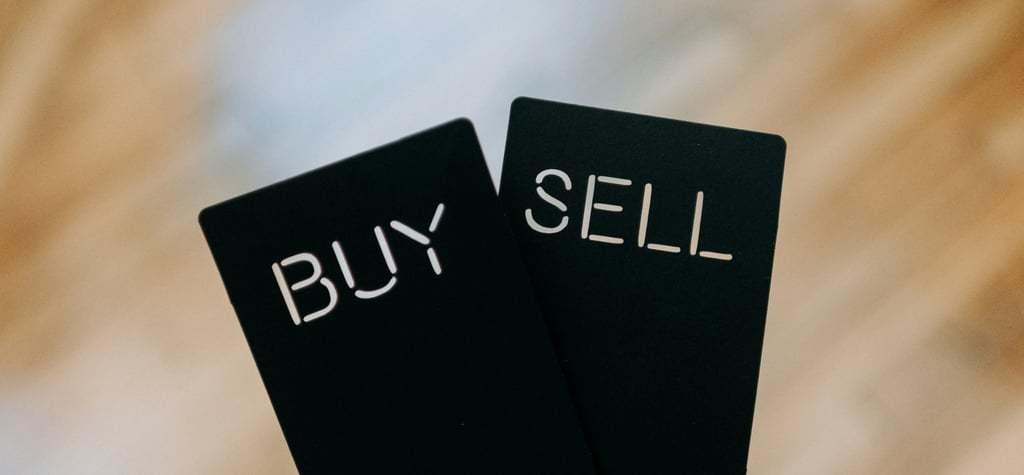

Mergers and acquisitions can make or break companies in Kuwait and it all starts with getting the valuation right. In Kuwait’s growing corporate and investment environment, mergers and acquisitions (M&A) represent a strategic pathway for expansion, diversification, and value creation. The success of any transaction heavily depends on one critical element - business valuation. Accurate and professional business valuation services form the foundation for successful deal structuring, ensuring stakeholders are aligned on the economic value of the business.
Whether it's a family-owned enterprise or a multinational operating in Kuwait, the outcome of an M&A deal hinges on precise valuation. It not only supports effective due diligence but also plays a central role in shaping transaction terms, securing investment, and evaluating long-term value potential.
Establishing the fair market value of a company is a cornerstone of any M&A deal. A reliable valuation ensures that both buyers and sellers agree on a justified price, reducing the risk of disputes and deal failures.
Blog Author: Jericca Merryl
Accountant at Alkhuzam Co - an Independent Member of Morison Global
4. Enhancing Deal Transparency
3. Facilitating Investment & Financing
Banks, sovereign wealth funds, and private investors in Kuwait typically require a detailed valuation report before providing funding or approval for an acquisition. This reinforces the importance of credible M&A advisory and valuation insights.
A clear valuation process builds trust between parties. In Kuwait, where many deals involve family businesses or joint ventures, transparency is crucial to navigating cultural and regulatory complexities.
Final Thoughts
Kindly reach us on:
info@alkhuzam.com | +965 22414000 | +965 66162610
Located at: KIPCO Tower, Sharq, Kuwait
2. Informed Due Diligence
Thorough valuation is integral to acquisition due diligence. It helps uncover financial, operational, and legal risks that could affect the viability of the transaction, particularly in regulated sectors such as finance, oil and gas, and logistics.
To learn how our team can support your next transaction with expert valuation and advisory services, please contact us today. Let’s work together to unlock the full potential of your business opportunities.
📬 Stay Updated
Subscribe to our newsletter or follow us on LinkedIn to get the latest posts, regulatory updates, and expert insights on doing business in Kuwait.
@alkhuzamco
Each approach has unique strengths. In Kuwait, where financial transparency and historical data availability may vary, combining several methodologies ensures a more accurate and defendable valuation.
In Kuwait’s evolving M&A environment, business valuation is more than just a technical exercise it's a strategic necessity. It underpins every phase of the transaction, from deal structuring and negotiation to integration and future growth. Engaging expert M&A advisory and valuation professionals ensures that all parties understand the real worth of a company, paving the way for informed decisions, reduced risk, and long-term value creation.
1. Fair Market Value Assessment
Assets & Liabilities
Financial Metrics & Performance
5. Post-Transaction Integration
Tangible assets such as real estate, equipment and inventory often play a larger role in valuation within Kuwait's asset-heavy industries like oilfield services or construction. Meanwhile, intangible assets like brand reputation or contracts with government entities also hold significant weight. Excessive liabilities, however, reduce value and raise risk concerns.
A company’s revenue, EBITDA (Earnings Before Interest, Taxes, Depreciation, and Amortization), and cash flow are fundamental to its valuation. In Kuwait, stable profitability and sound financial governance are viewed favorably by local and international investors alike.
A well-documented valuation assists in post-merger planning, from workforce integration to performance benchmarking. It ensures the newly formed entity has a clear financial roadmap.
We're Here to Help
Why Business Valuation Matters in Kuwait's M&A Advisory?
Key Elements that Influence Company Valuation in Kuwait
Market Environment
Kuwait’s economic landscape, shaped by oil prices, government diversification plans (Vision 2035), and regional trade relations, influences business valuation. Positive market sentiment, low inflation, and increased FDI inflows typically enhance company valuations.
Common Company Valuation Methods Used in Kuwait
Regulatory & Legal Compliance
Synergies & Strategic Alignment
Business Model & Market Positioning
Companies with resilient, scalable business models and minimal dependency on single clients or suppliers are highly sought after. A diversified customer base and unique market positioning often command a premium.
In Kuwait, synergies such as access to new Gulf markets, operational efficiencies, or technology integration often justify premium pricing. Strategic fit between the buyer and target company is critical to realizing post-deal benefits.
Pending litigation, compliance with Kuwait’s commercial laws, and transparency with authorities like the Ministry of Commerce and Industry or the Capital Markets Authority all factor into valuation risk.
Professional business valuation services typically apply a combination of these company valuation methods:
Discounted Cash Flow (DCF): Projects future cash flows and discounts them to present value using a rate that reflects market and country-specific risk.
Comparable Company Analysis: Compares valuation multiples (EBITDA/ Price to Earnings Multiple) of similar businesses operating in the Kuwaiti or GCC region.
Precedent Transactions: Evaluates recent M&A deals in Kuwait or nearby markets to identify benchmark pricing.
Asset-Based Valuation: Suitable for asset-intensive sectors such as real estate or shipping. It calculates net asset value by subtracting liabilities from total assets.
Subscribe to our Newsletter & never miss another update!
©2026 Alkhuzam Co | An Independent Member of Morison Global | All rights reserved.
Alkhuzam & Co
We Sell Specialism
Address
Working Hours
9AM - 5PM
(Sun-Thurs)